

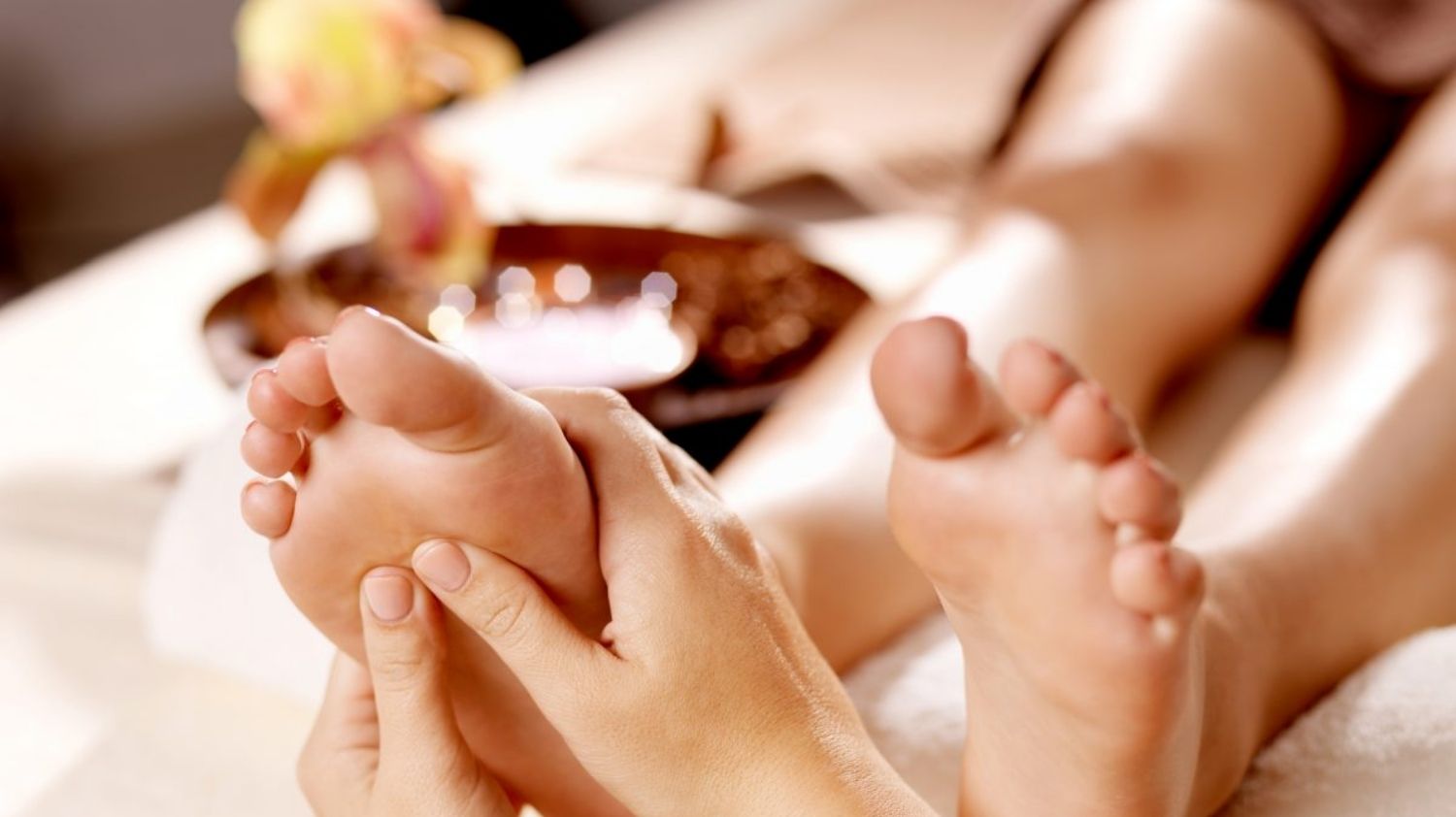
- by Josip DU
The Necessity of Post-Workout Massage: Why You Need a Foot Massager?
- by Josip DU
Exercise has become an essential way for many people to maintain their health and relieve stress. Whether it’s running, fitness training, swimming, or playing sports, regular exercise not only strengthens the body but also improves mental well-being. However, post-workout recovery is just as important, especially when it comes to muscle relaxation and repair. Many people overlook this aspect, leading to muscle soreness, accumulated fatigue, and even sports injuries. This article will explore the necessity of post-workout massage, backed by exercise science, and introduce how a foot massager can effectively alleviate fatigue and promote recovery.
After exercise, especially high-intensity workouts, muscles experience lactic acid buildup, leading to soreness. Lactic acid is a byproduct of anaerobic metabolism, produced when exercise intensity surpasses the body's aerobic capacity. Although lactic acid naturally metabolizes within a few hours, its accumulation lowers muscle pH, causing soreness and fatigue.
How Massage Helps: Massage accelerates lactic acid metabolism, reducing soreness. A foot massager can specifically target leg muscles, relieving discomfort from running, jumping, and other exercises. Studies show that post-exercise massage significantly lowers lactic acid levels and shortens muscle recovery time.
During exercise, muscles require more oxygen and nutrients, leading to increased blood circulation. After exercising, proper massage helps maintain good circulation, enhancing oxygen and nutrient delivery while expelling waste products. Foot massagers simulate hand massage, effectively boosting circulation in the feet and legs.
Exercise Science Insight: Post-exercise, microscopic muscle damage and inflammation can cause local blood vessel constriction, impacting circulation. Massage stimulates blood vessel dilation, increasing blood flow and speeding up recovery. Additionally, improved circulation helps remove metabolic waste, such as lactic acid and carbon dioxide, further reducing fatigue.
Tight muscles after exercise, if not properly relaxed, can lead to stiffness and increased joint pressure over time, increasing the risk of injury. For example, tight calf muscles after running may contribute to Achilles tendonitis, while stiff thigh muscles after squats may increase knee joint stress.
How Massage Helps: Regular use of a foot massager helps relax muscles and reduce injury risk. By providing deep-tissue massage, a foot massager relieves muscle tension and improves flexibility, reducing strain on joints and ligaments.
Proper recovery is key to improving athletic performance. Massage helps muscles regain elasticity faster, preparing them for the next workout. A foot massager’s deep-tissue massage function can speed up recovery and boost overall performance.
Exercise Science Insight: After exercise, the body undergoes "supercompensation," where it repairs damaged tissues and enhances their function to adapt to future exercise demands. Massage accelerates this process, allowing muscles to recover faster and even surpass their previous performance levels.
Compared to traditional massage methods, a foot massager is easy to use anytime, anywhere. Whether at home, in the office, or at the gym, you can enjoy professional massage therapy by simply plugging it in.
Modern foot massagers integrate multiple features, including heat therapy, air compression, and rolling massage, catering to various recovery needs. For example, heat therapy helps relax muscles, air compression promotes circulation, and rolling massage targets acupressure points.
Foot massagers come with multiple massage modes and intensity levels, allowing users to customize their experience. Whether you prefer a gentle relaxation massage or deep tissue massage, a foot massager can meet your needs.
Some advanced foot massagers include health tracking features, recording massage data and providing wellness recommendations. Long-term use can help users better understand their physical condition and develop an effective recovery plan.
Choose a foot massager based on your exercise routine and recovery needs. For instance, runners may benefit from models with deep-tissue massage and heat therapy.
Opt for well-known brands with positive reviews to ensure quality and after-sales service. Checking online reviews and user feedback can provide insights into real-world performance.
Foot massagers vary in price. Select a model that offers the best value within your budget. Avoid excessively cheap options that may compromise effectiveness and safety.
If possible, try different models in-store to assess their massage effects and choose the one that best suits you.
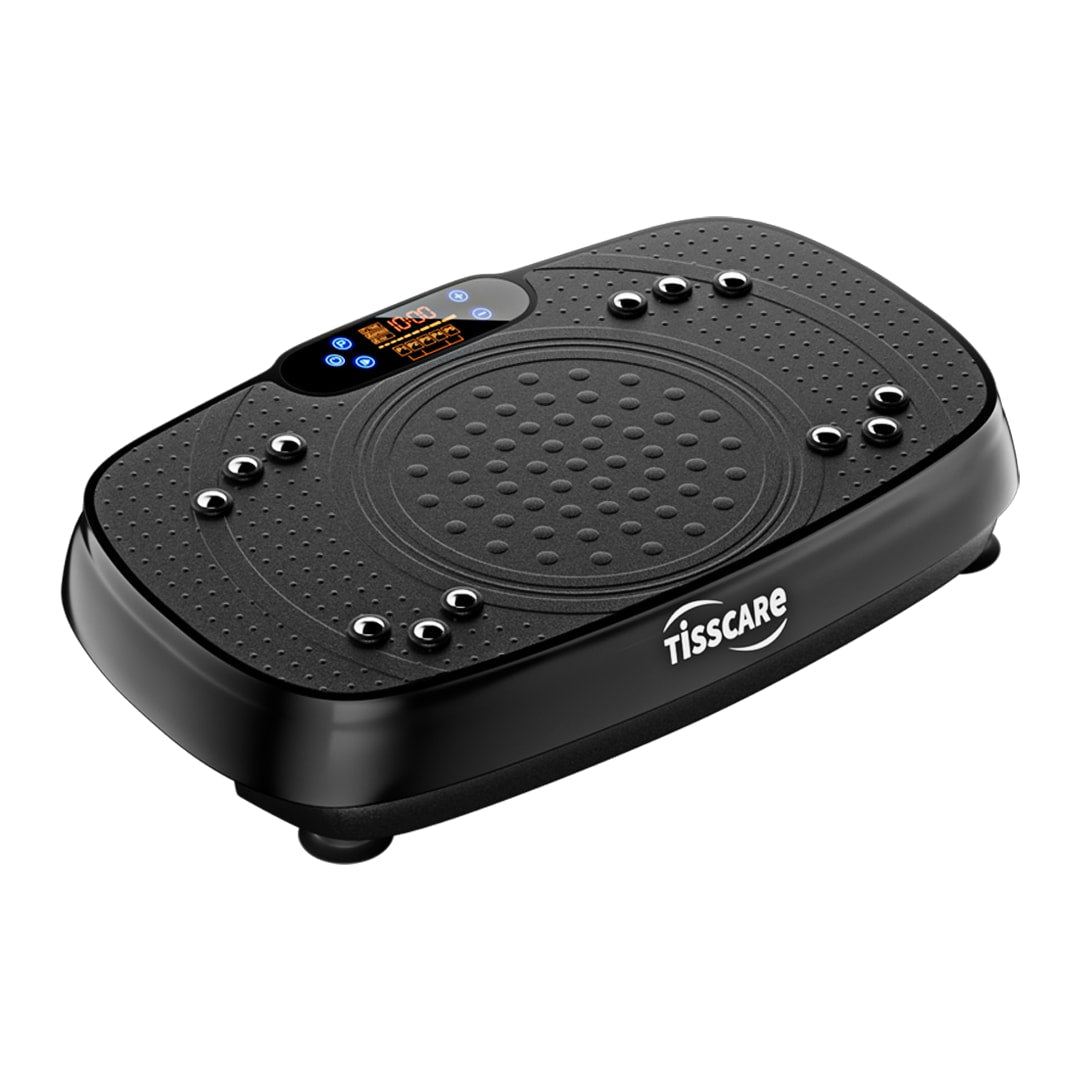
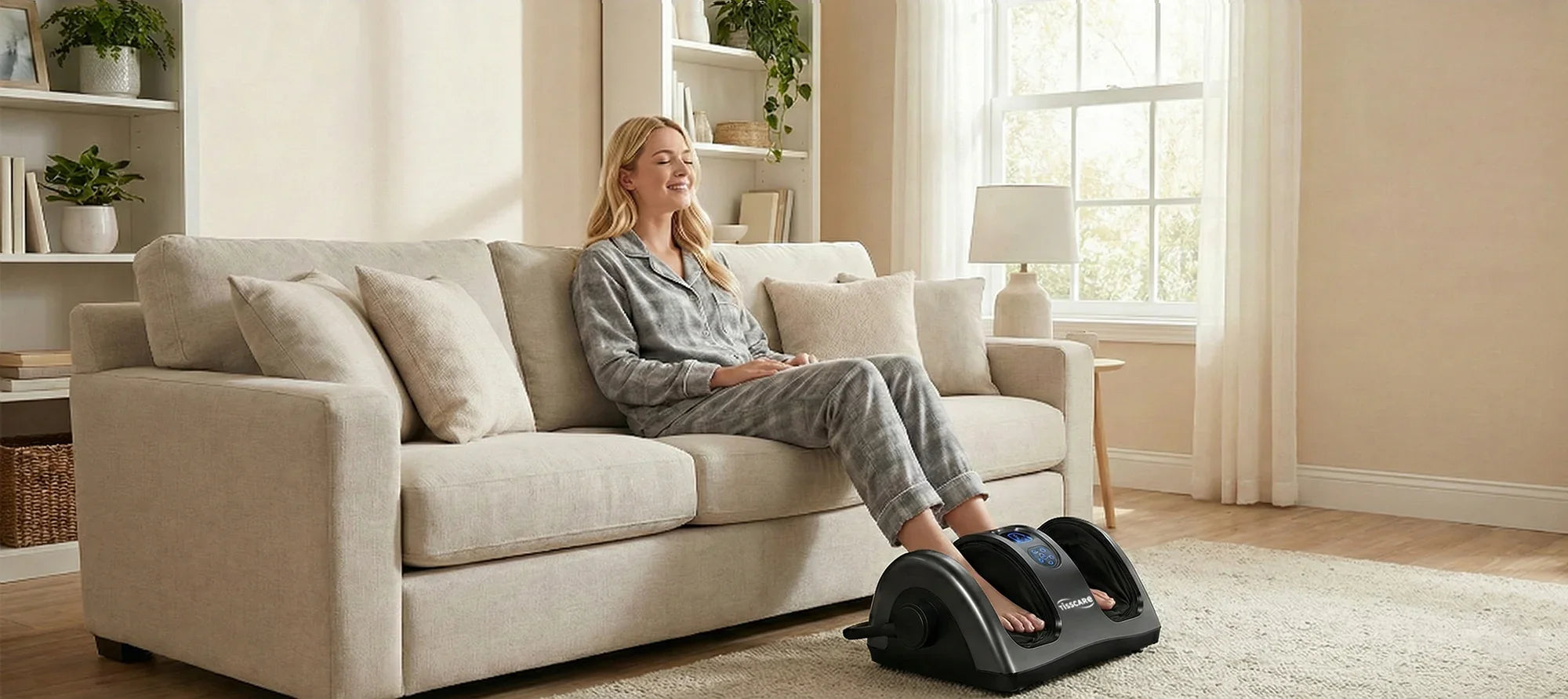
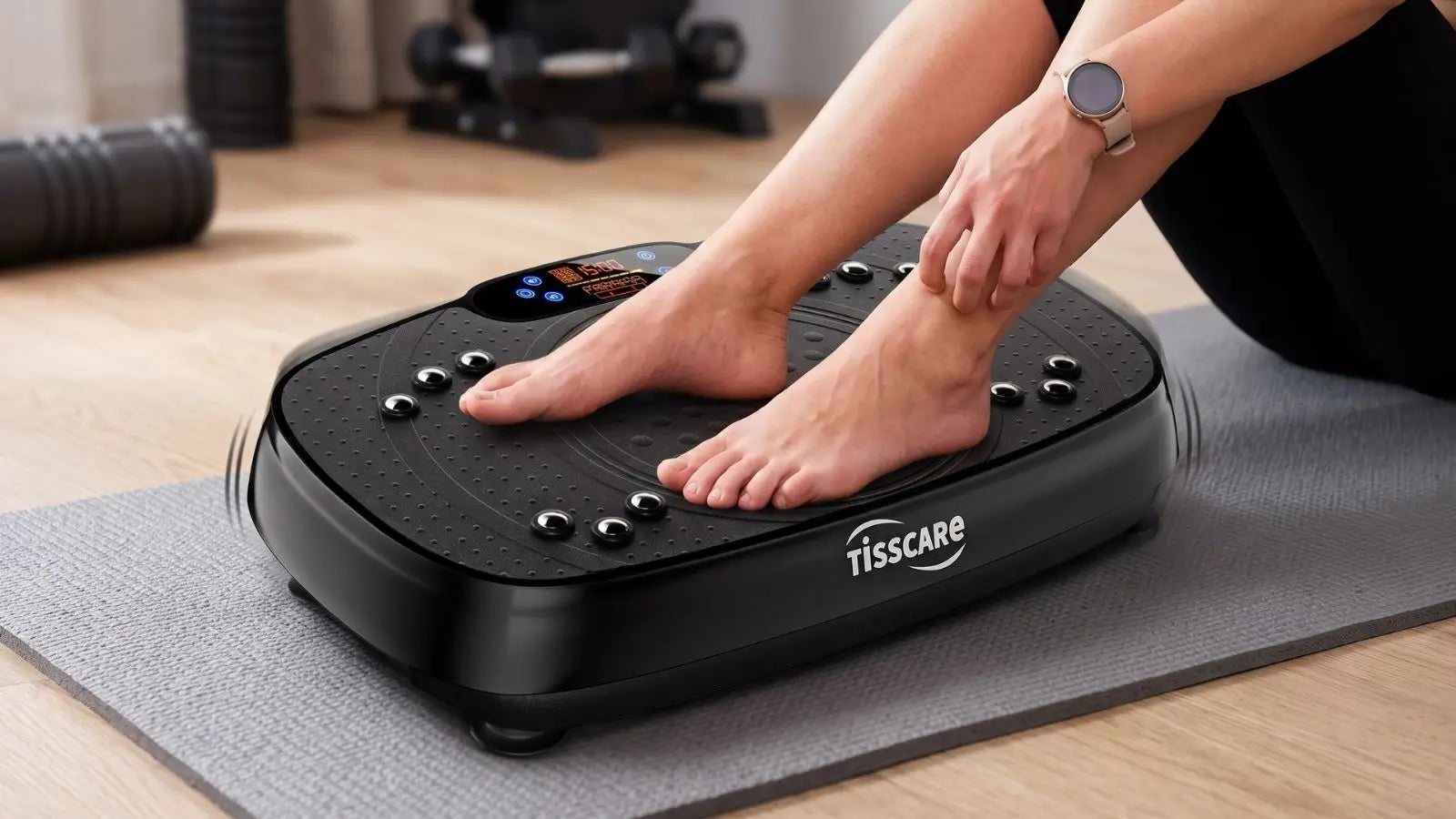
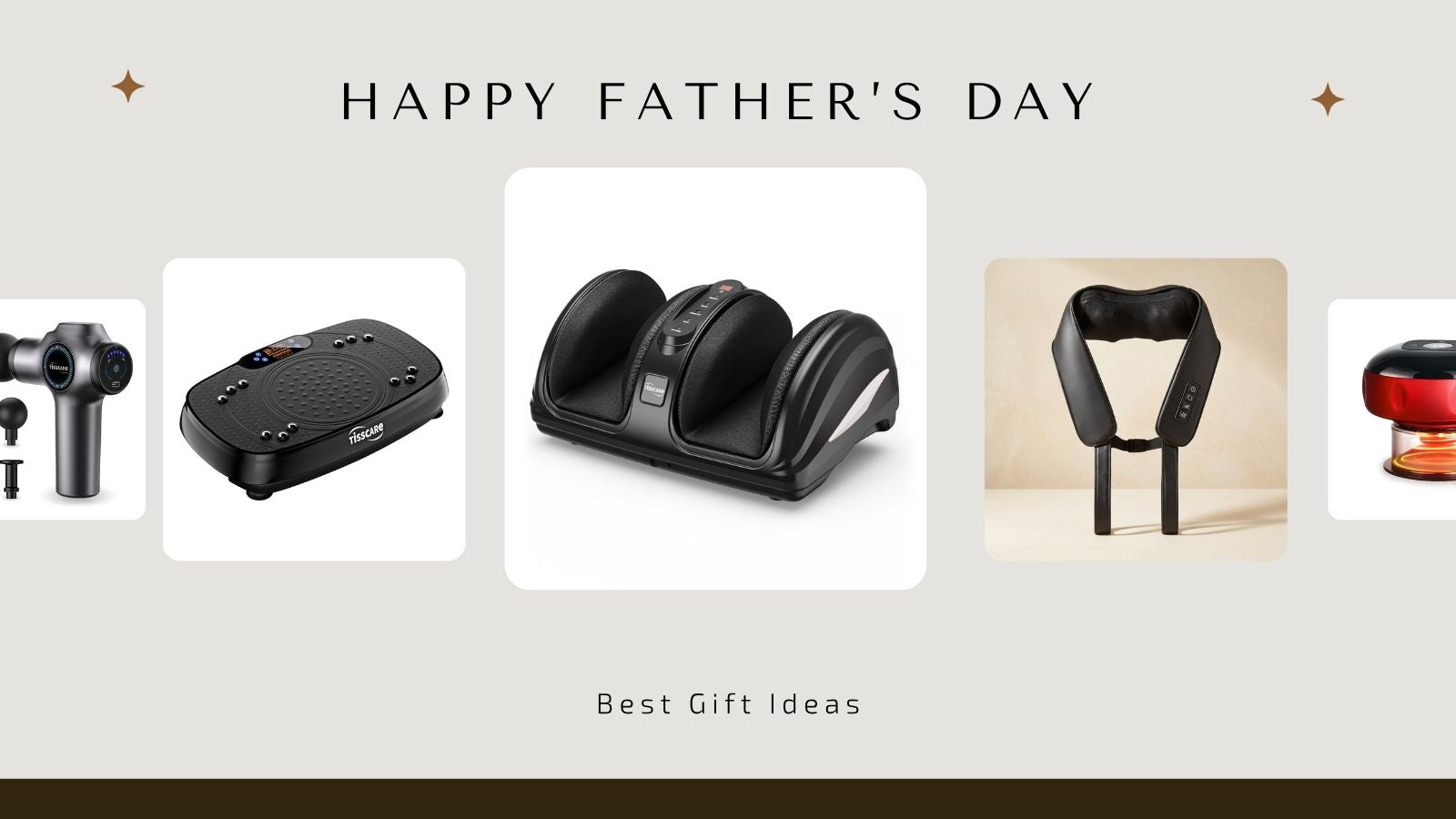
For a great all-around option, the Tisscare foot massager is an excellent.
Share:
How a Good Foot Massager Can Help Improve Insomnia – A Comprehensive Analysis of Its Health Benefits
Revolutionary Foot Care Fusion: The Perfect Blend of Heat and Massage