

- by Josip DU
The Silent Threat in Your Legs: How to Prevent Varicose Veins at Home
- by Josip DU
After a long day at work, do your legs feel heavy and sore, like they're filled with lead? Have you noticed increasingly visible blue or purple veins snaking across your calves during showers? These could be early signs of varicose veins—a common yet often overlooked health issue in modern life.
With more professionals, such as office workers, teachers, nurses, and retail staff, spending prolonged hours sitting or standing, varicose veins have become a widespread concern. Clinical data suggests that around 25% of women and 15% of men over the age of 30 show symptoms of varicose veins. Alarmingly, many people don't take it seriously until the veins bulge out prominently like "worms" on their legs. Beyond aesthetics, varicose veins can lead to serious health risks. Today, let's dive deep into this silent leg issue and explore how a feet and leg massager can help in both prevention and daily management.
To understand varicose veins, we must first understand how the venous system works. Veins act as return channels, carrying blood back to the heart. In the legs, this task is particularly challenging due to gravity. It relies on three main mechanisms:
When these mechanisms fail, veins can dilate and twist, becoming visibly enlarged. These changes can obstruct proper circulation and lead to a host of uncomfortable symptoms.
At first, you might only feel mild discomfort—some swelling or heaviness in the legs. But without timely care, symptoms can progress through several stages:
Conventional treatments for varicose veins include:
These solutions usually target symptoms, not prevention. That's where a feet and leg massager comes in as a practical, preventative home solution.
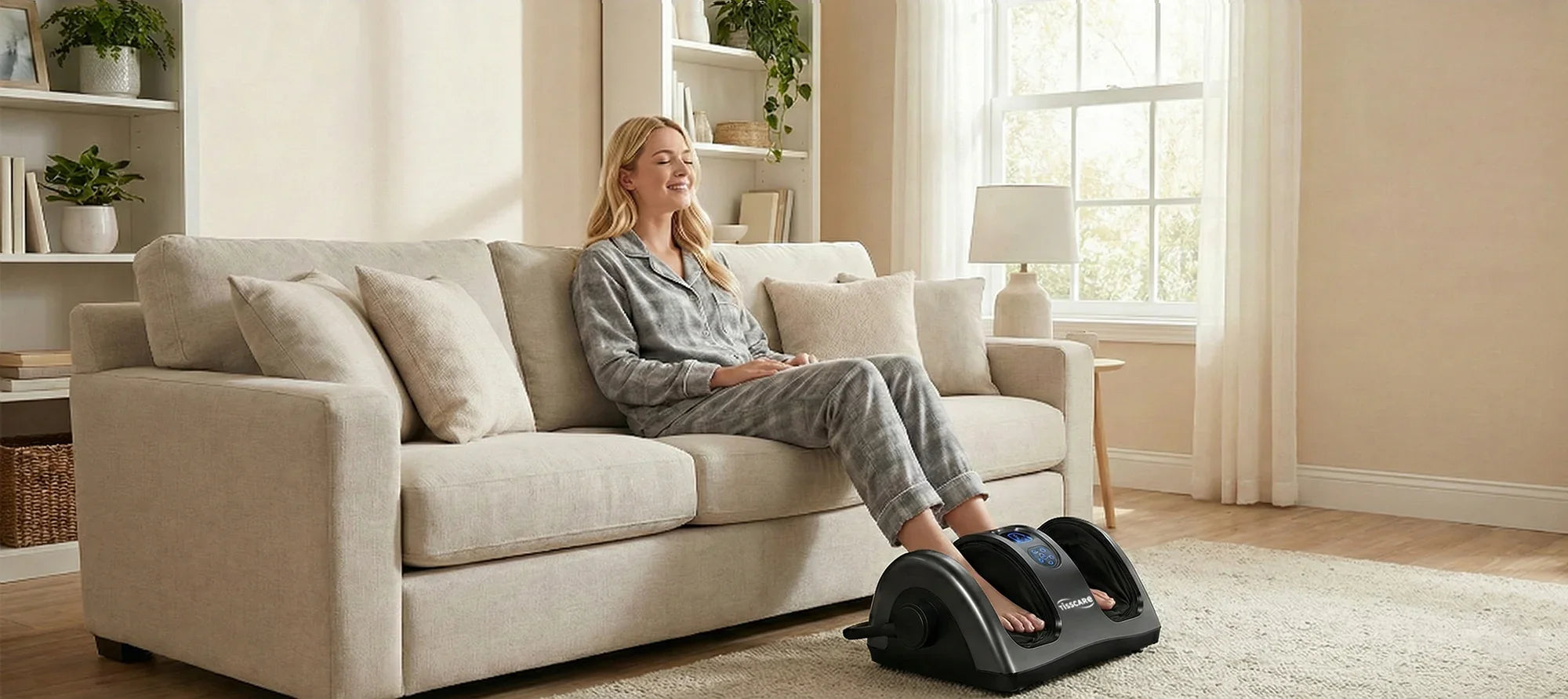
Modern feet and leg massagers combine several therapeutic methods, offering a holistic, convenient approach for managing varicose veins at home. Their multi-functional design makes them ideal for regular use, helping improve circulation and ease symptoms.
Air Compression Massage: Advanced devices use air chambers to simulate rhythmic squeezing—like a "milking" effect—from the foot upward. Clinical studies suggest that sequential compression can boost venous return by over 30%.
3D Roller Stimulation: Well-designed rollers knead tense muscles while stimulating acupressure points such as Yongquan (sole), known for improving lower limb circulation.
Heat Therapy: Moderate heat (38–42°C) promotes vasodilation and reduces blood viscosity. It also relieves muscle cramps. Avoid excessive temperatures to prevent irritation or burns.
Multiple Modes for Personalization: Modern units offer "Circulation," "Relaxation," and "Deep Massage" modes. For varicose vein relief, the "Circulation Mode" combined with gentle kneading is recommended.
With so many options on the market, here's what to prioritize:
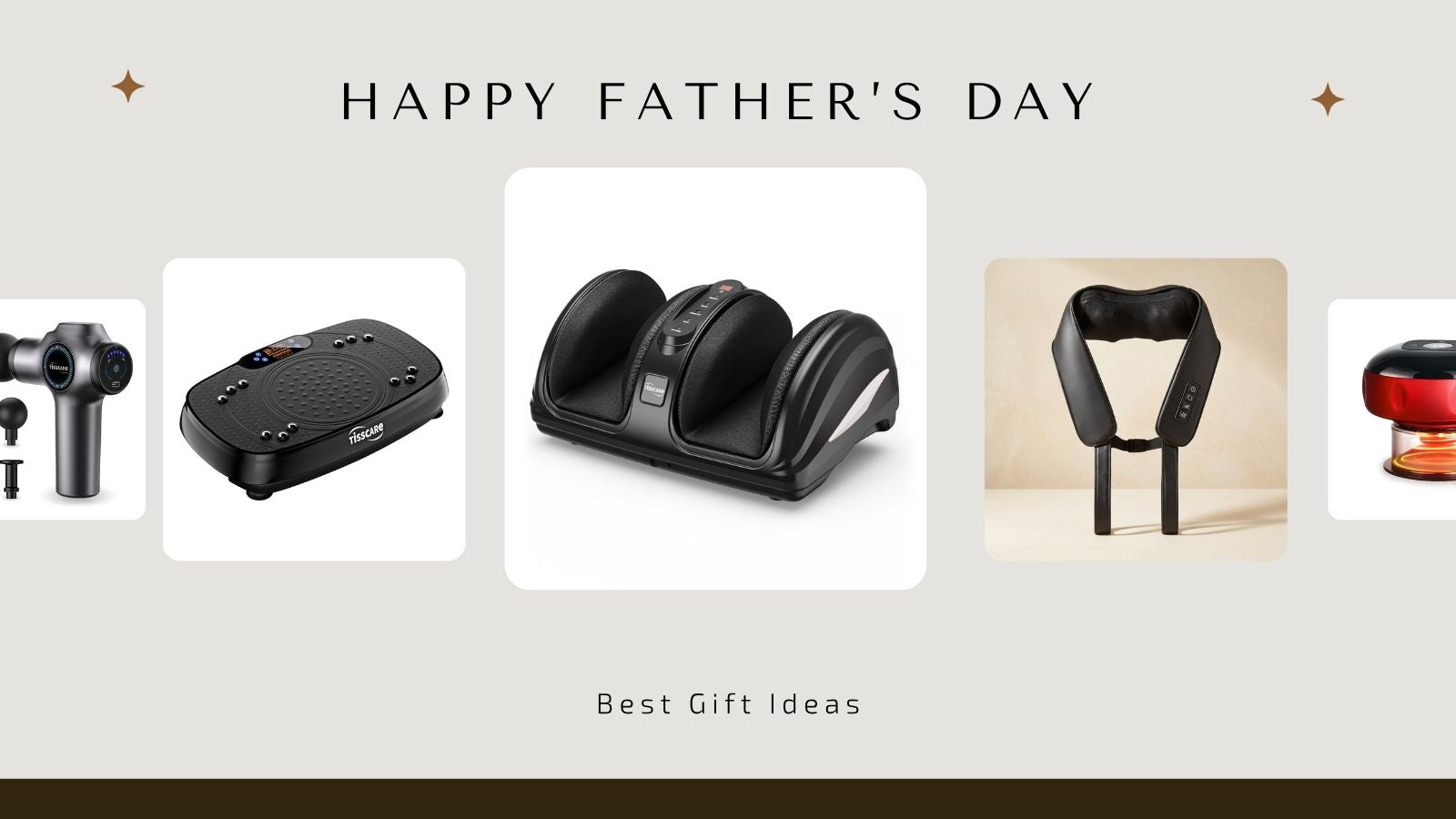
If you're looking for a reliable and user-friendly option, the Tisscare foot massager checks all the boxes. It offers full-coverage air compression, adjustable heat, and customizable modes—making it an ideal choice for anyone dealing with varicose veins.
While generally safe, feet and leg massagers are not for everyone. Consult a doctor if you have:
Use your massager as part of a complete care plan:
Innovation is transforming basic massagers into smart health tools. Future features may include:
Varicose veins are common, but they're not inevitable. With early awareness, proper care, and the right tools—like a reliable feet and leg massager—you can prevent symptoms from worsening and regain comfort and confidence.
Reminder: This article does not replace medical advice. If you have serious symptoms, consult a healthcare professional.
Share:
The Real Cause of Swollen Feet—and the At-Home Device That Can Fix It
Tech Meets Therapy: The Ultimate Foot Calf and Leg Massager Experience