

- by Mia Laurence
Vibration Plate Itching: Why It Happens & How to Stop It
- by Mia Laurence
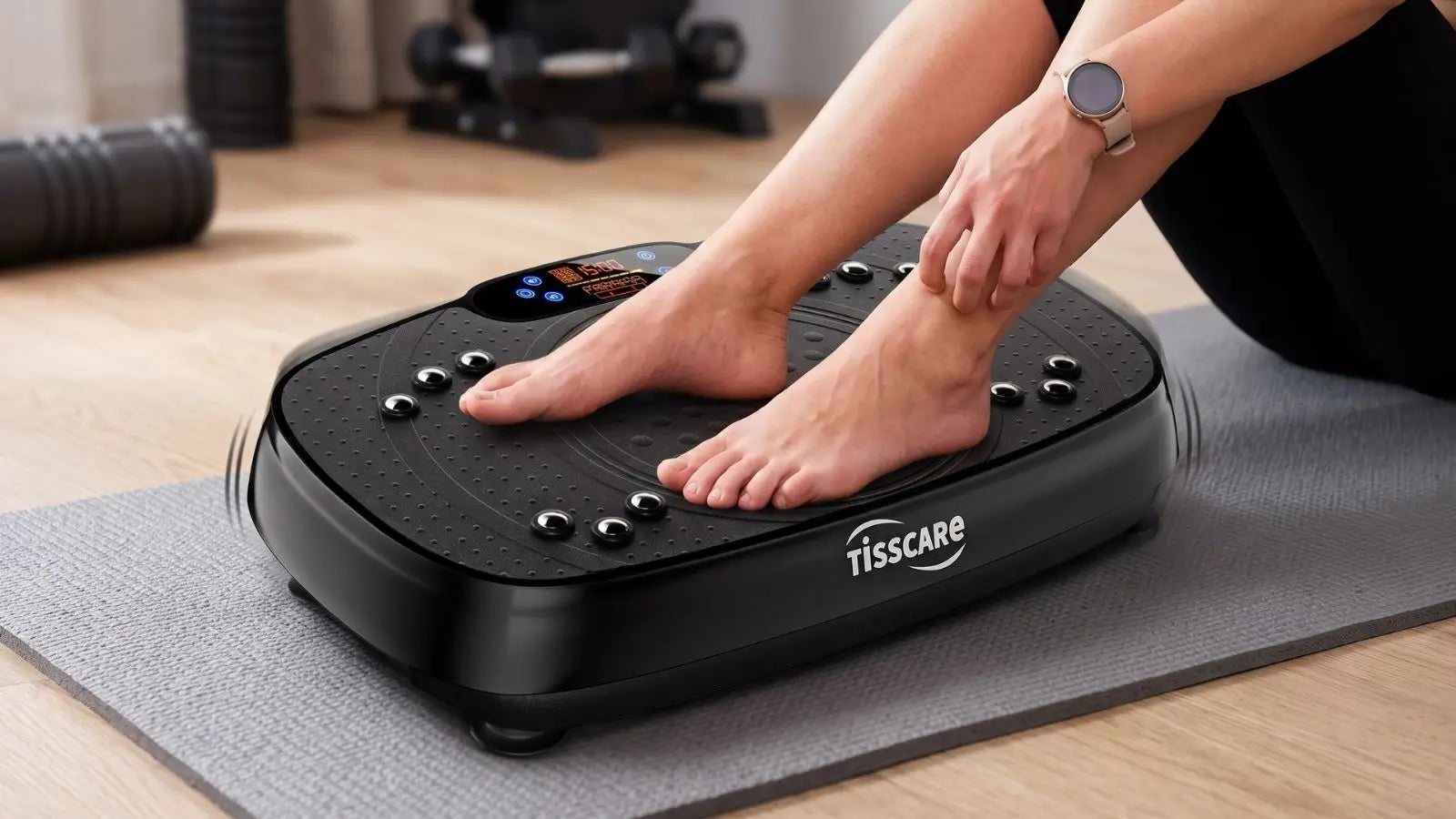
If you have recently started using a vibration plate and noticed an unusual itchy, tingling, or “pins-and-needles” sensation in your legs, you are not alone. Many beginners experience vibration plate itching during or after their first few sessions.
At first, this strange feeling can make people wonder, "Am I having an allergic reaction?” or “Is something wrong with my body?”
In most cases, this temporary itching is a normal response to your body adapting to whole-body vibration. The rapid movements stimulate your muscles, nerves, and circulation in ways your body may not be used to.
In this guide, we’ll explain why vibration plates make you itchy, whether it is a good or bad sign, and how to reduce the discomfort so you can enjoy your workouts.
Vibration plate itching refers to a temporary itchy, tingling, crawling, or prickly sensation that appears while standing on or shortly after using a vibration plate.
It commonly appears in areas with more blood vessels and soft tissue, such as:
Many new users describe it as a feeling similar to “ants crawling on the skin” or the itch you might experience when restarting exercise after a long break.
This sensation usually disappears as your body becomes accustomed to vibration training.
There are several possible reasons behind vibration plate itching.
One of the biggest reasons people experience itching is the sudden increase in blood circulation.
When you stand on a vibration plate, the platform creates rapid movements that cause your muscles to contract and relax repeatedly. These contractions encourage blood flow throughout your body.
For people who spend many hours sitting or have limited daily movement, this sudden change in circulation can feel unusual. As more blood reaches the skin’s surface, nerve endings may become stimulated, creating an itchy sensation.
Think of it like “waking up” areas of your body that have not been actively engaged.
Your skin contains millions of sensory nerves that detect pressure, movement, temperature, and touch.
The vibration from a vibration plate stimulates these nerve endings. For beginners, the nervous system may interpret this unfamiliar sensation as itching or tingling.
Some people compare it to:
As your body adapts to regular vibration sessions, this response often becomes less noticeable.
Your lymphatic system helps maintain fluid balance and supports your body’s natural waste-removal processes.
Unlike your cardiovascular system, the lymphatic system does not have a central pump. Movement and muscle contractions help encourage lymph fluid circulation.
Because vibration plates activate muscles rapidly, some users feel temporary sensations related to increased fluid movement, including tingling or itching.
This is one reason vibration plates are often included in wellness routines focused on mobility, circulation, and recovery.
Another possible explanation is related to histamine.
When your body experiences physical stimulation, certain immune cells called mast cells may release histamine. Histamine is involved in many body responses, including the sensation of itching.
This is similar to what some people experience during:
For most people, this reaction is temporary and improves with consistent use.
For most beginners, mild itching is not something to worry about.
It often means your body is responding to a new type of stimulation:
✔ Increased circulation
✔ Activated muscles
✔ Stimulated nerves
✔ Adaptation to vibration training
However, itching does not automatically mean the vibration plate is “burning fat” or removing toxins. While vibration plates can support muscle activation and circulation, they should be viewed as part of a healthy lifestyle rather than a replacement for exercise and nutrition.
If the itching feels uncomfortable, try these simple adjustments.
A common mistake beginners make is starting with high vibration settings immediately.
Instead:
Your body needs time to adapt.
Avoid standing with completely locked knees.
A slight bend helps:
A relaxed posture also makes your vibration session more effective.
Hydration supports healthy circulation and normal body function.
Drink enough water before and after using your vibration plate, especially if you sweat easily.
A short warm-up can make the transition smoother.
Try:
This prepares your muscles and circulation before vibration begins.
When itching appears, avoid aggressive scratching.
Some users report that rubbing the area gently or using a cool towel helps calm the sensation faster.
Although vibration plate itching is usually harmless, you should stop and seek medical advice if itching is accompanied by:
These symptoms may indicate a condition unrelated to normal vibration adaptation.
For many beginners, vibration plate itching becomes less noticeable after several sessions as the body adapts.
A good approach is:
Week 1: Short sessions at low intensity
Week 2: Gradually increase duration and vibration level
After adaptation: Maintain a comfortable routine
Consistency is more important than pushing through discomfort.
Experiencing vibration plate itching can feel strange, especially during your first few workouts. However, it is often simply your body responding to increased circulation, nerve stimulation, and a new form of exercise.
Start slowly, listen to your body, and allow yourself time to adapt.
With proper use, a vibration plate can become a convenient addition to your wellness routine—helping you stay active, support muscle engagement, and make movement easier even on busy days.

Share:
How Long to Use a Vibration Plate?